
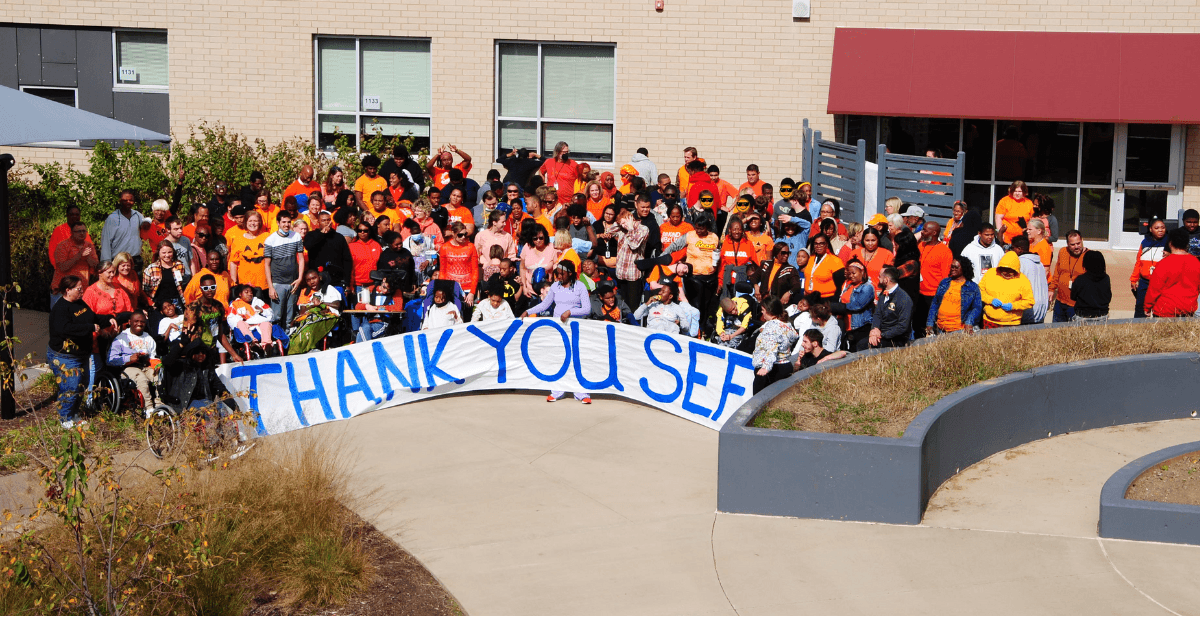
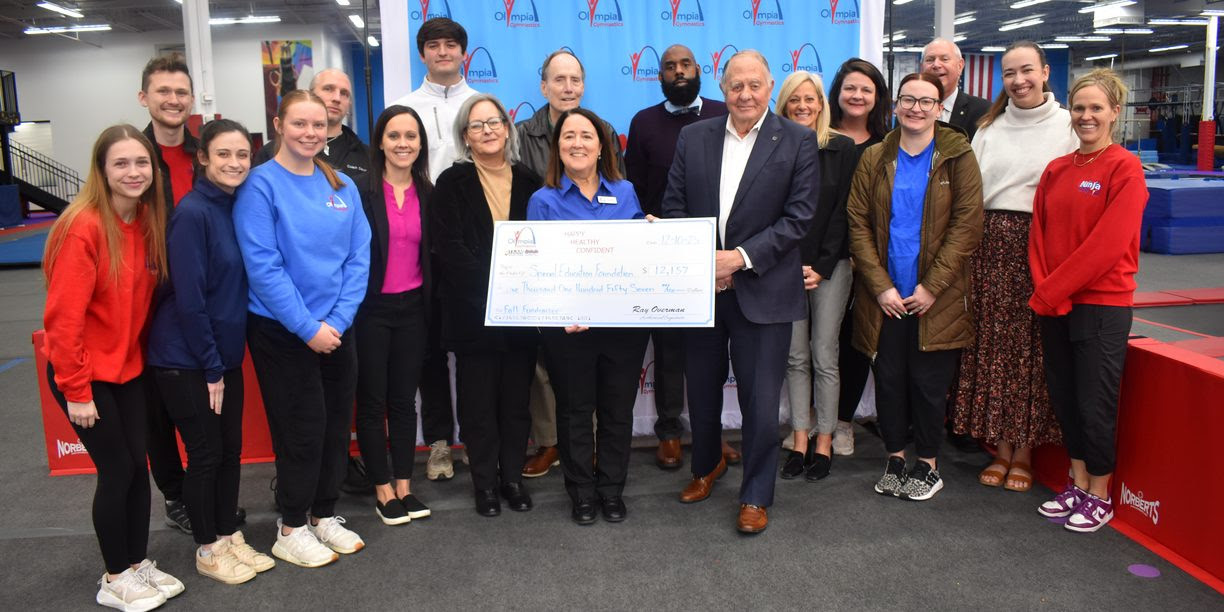
The Special Education Foundation was proud to recently receive a generous $12,157 donation from Olympia Gymnastics and Team Central Gymnastics Academy during a check presentation held on December 10 at the Olympia Gymnastics & Ninja City location in Manchester.
The funds, raised through Olympia’s popular Kids Night Out event, are designated to support audiology services for students served by the Special School District of St. Louis County. This is the second gift Olympia Gymnastics has provided to SEF—both rooted in community involvement and a shared commitment to supporting local children.
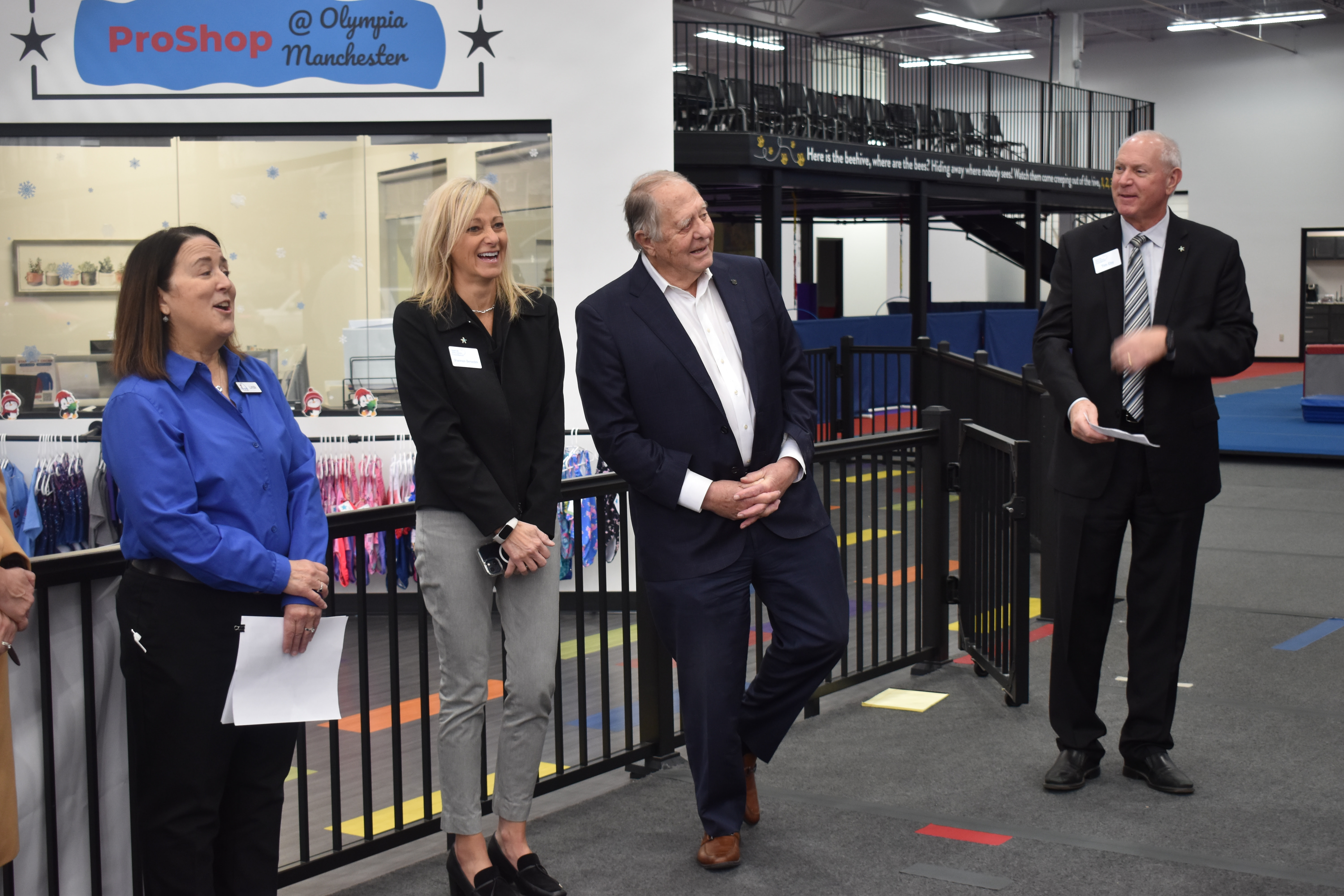
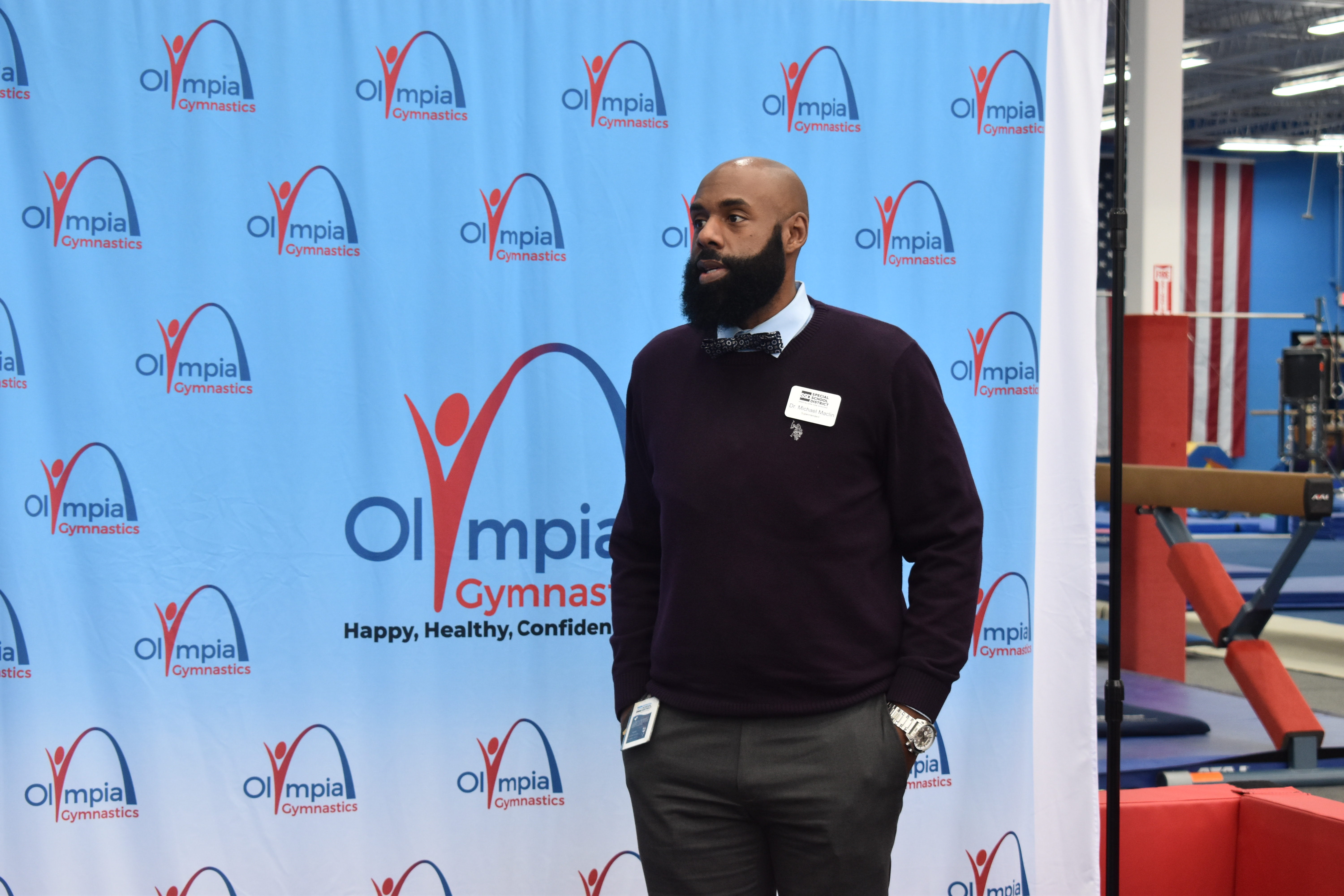
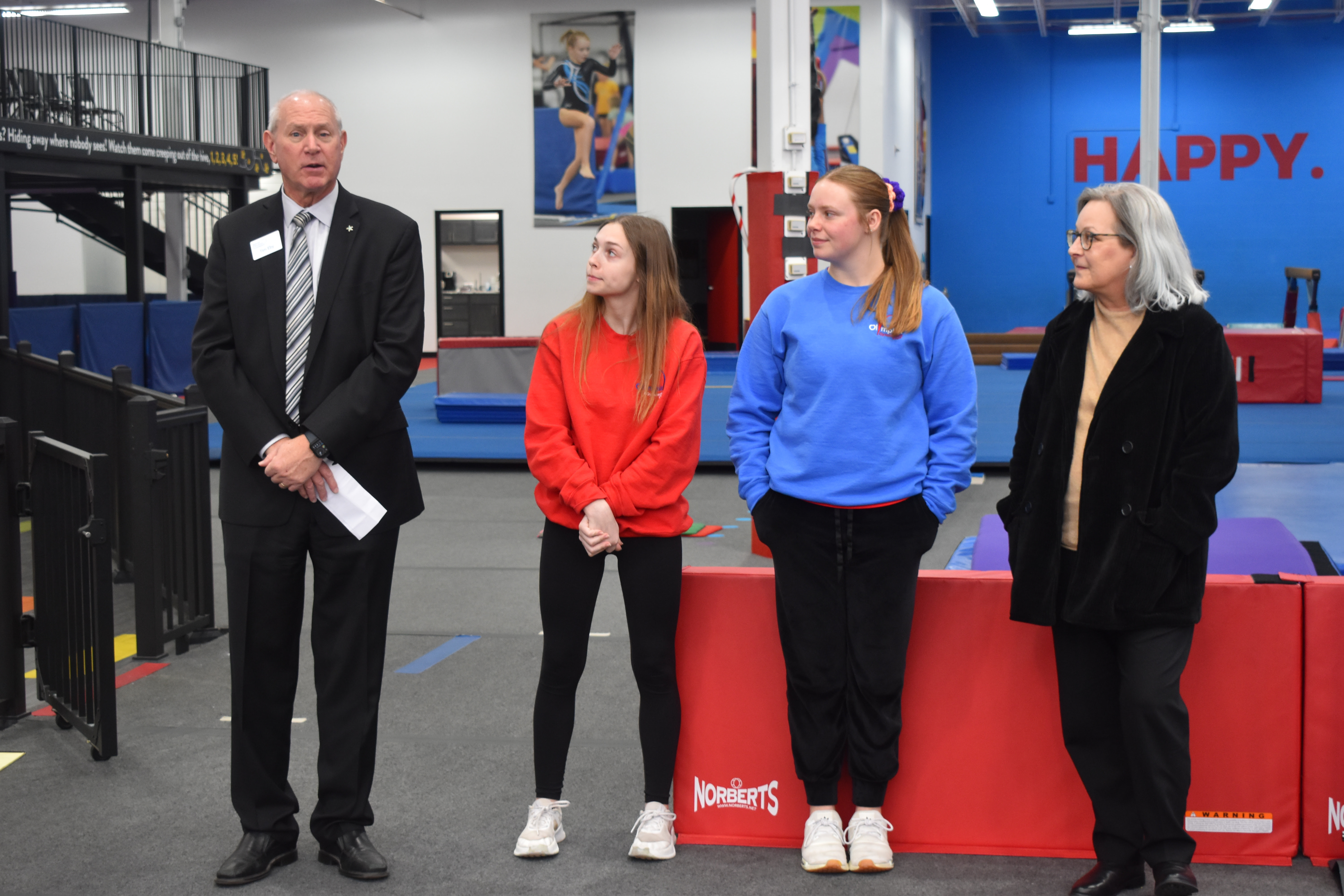
Olympia Gymnastics CEO and Team Central Gymnastics Academy Executive Director Ray Overmann presented the check to SSD Superintendent Dr. Michael Maclin and Special Education Foundation Executive Director Tim Eby, alongside SEF staff, board members, and SSD audiology professionals. The donation will help expand access to essential audiology resources, ensuring students with hearing challenges have the tools they need to succeed academically and socially.
“We’re grateful for Olympia Gymnastics’ dedication to supporting children with disabilities,” said SEF Executive Director Tim Eby. “This donation will make a meaningful impact on the lives of many students by enhancing their access to vital audiology resources.”
Ray Overmann emphasized Olympia’s commitment to inclusion and community impact. “We believe every child deserves the opportunity to be part of our community, and that starts with removing barriers to learning and participation,” Overmann said. “This partnership with the Special Education Foundation reflects what Olympia stands for—using our programs and our community to make a real difference in children’s lives. We’re honored to help support the incredible students and families served by the Special School District.”
The Special Education Foundation is deeply thankful for Olympia Gymnastics and Team Central Gymnastics Academy’s leadership, generosity, and dedication to creating brighter futures for students with disabilities. Their support helps ensure that critical services—like audiology—remain accessible for students who rely on them every day.


